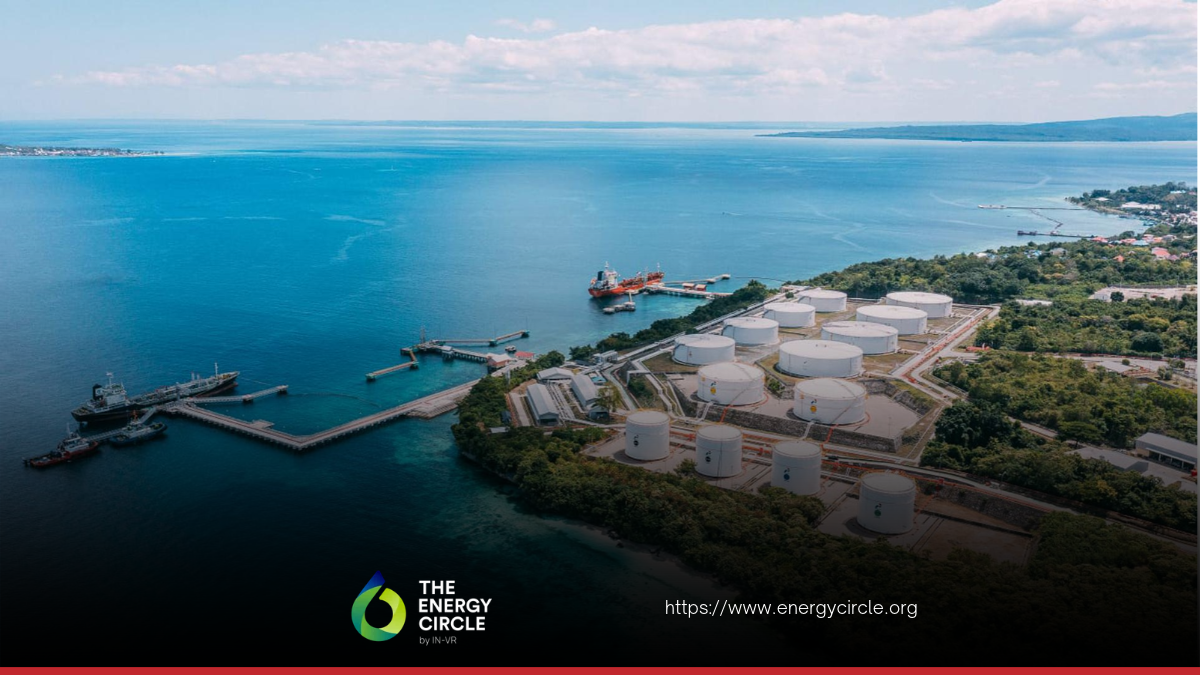
The Southeast Asian nation is moving beyond upstream development, advancing fuel storage projects, exploring refinery investments and preparing new petroleum regulations to strengthen domestic supply and attract investment.
Timor-Leste is taking steps to strengthen its energy security by expanding fuel storage infrastructure, opening the door to new refining investments and updating regulations governing its petroleum industry.
The country's strategy reflects a broader effort to build a more resilient domestic energy sector, reducing exposure to international supply disruptions while creating opportunities for investment across the oil and gas value chain.
According to Carlos Liborio Frans Alves, Vice-President for Legal, Commercial and Downstream Affairs at the National Petroleum Authority (ANP), the country is currently advancing several storage projects and has received expressions of interest for both mini-refineries and larger refining facilities.
Timor-Leste currently operates two fuel storage facilities, with another three or four projects undergoing approval processes and moving toward construction.
One of these developments involves Singapore-based Global Group, which began investing in a fuel storage project in July and is progressing through the required approvals.
The expansion is part of the country's efforts to improve the reliability of domestic fuel supplies and strengthen its ability to manage disruptions in international shipping and energy markets.
The government has already introduced temporary measures under Decree-Law No. 13/2026, enacted on March 25, to stabilize fuel prices and maintain supply.
These measures include maximum retail prices for essential fuels, aiming to limit the impact of international price increases and prevent supply-related panic buying.
Beyond storage infrastructure, Timor-Leste is exploring opportunities to establish domestic refining capacity.
Authorities have received expressions of interest for both smaller-scale refineries and larger refining projects, although no specific investment commitments have been announced.
The next challenge is establishing the regulatory framework needed to support these developments.
While existing regulations cover fuel storage facilities and filling stations, more comprehensive rules are required for complex industrial installations, including refineries, petrochemical plants and ammonia facilities.
The government is currently assessing and developing the necessary regulatory framework to accommodate these investments and establish clearer requirements for future projects.
Natural gas is also expected to play a role in Timor-Leste's longer-term energy strategy.
The government is considering using domestic gas to replace some oil-based fuels in electricity generation, potentially reducing reliance on diesel-fired power plants.
However, the transition is expected to be gradual and will require additional technical studies, infrastructure development and assessments of existing power generation facilities.
Electricity generation is expected to be the primary destination for future domestic gas consumption.
Meanwhile, the Greater Sunrise development remains a central part of the country's longer-term petroleum strategy. Authorities are advancing its regulatory framework and conducting technical studies and marine surveys for a proposed gas pipeline connecting the project to Timor-Leste's south coast.
The project holds an estimated 5.1 trillion cubic feet of 2C contingent gas resources, with a proposed LNG development targeting production capacity of 5 million tonnes annually.
Alongside its infrastructure and regulatory initiatives, Timor-Leste is advancing smaller upstream developments that could contribute to production sooner than larger projects.
The offshore Kuda Tasi and Jahal (KTJ) oil fields are among the projects moving toward a final investment decision (FID).
According to TIMOR GAP, the project was expected to reach FID by November 27, 2026, with first oil targeted for the first or second quarter of 2028.
The country is also preparing an updated regulatory package covering onshore and offshore petroleum operations.
The proposed changes include revised model contracts, tender procedures, bidding guidelines and fiscal terms.
Once approved and published in the national gazette, the new framework will pave the way for a petroleum licensing round in 2027, potentially opening further opportunities for international oil and gas companies.
Timor-Leste's latest initiatives point to a broader shift in its energy development strategy: strengthening the infrastructure and regulatory foundations needed to support the entire petroleum value chain.
Expanding storage capacity, exploring domestic refining and developing clearer investment rules could help the country improve fuel supply resilience while attracting new private-sector participation.
For investors and energy companies, the emerging opportunities extend beyond exploration and production to include storage, refining, processing and supporting infrastructure.
The key challenge will be translating regulatory progress and expressions of interest into financed projects and operational facilities. How effectively Timor-Leste manages this transition will shape its ability to build a more secure and diversified energy sector.